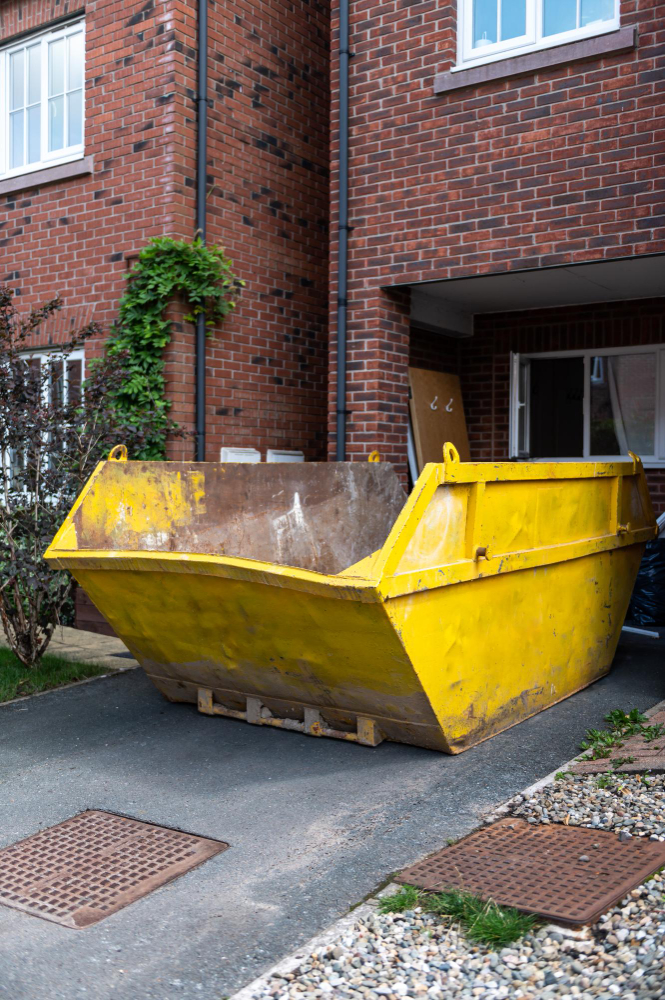
Hiring a skip is a sign of progress, it means a renovation is happening, a garden is being transformed, or a home is being decluttered. However, to your neighbours, that bright yellow metal bin can sometimes look like an eyesore, a parking nuance, or an invitation for trouble.
If you want to keep the peace on your street while getting the job done, follow this guide to skip etiquette, placement, and security.
The biggest cause of neighbour disputes isn’t the skip itself; it’s the surprise.
Communication is Key: A quick knock on the door or a message in the street’s WhatsApp group goes a long way. Let them know which day it’s arriving and roughly how long it will stay.
The Parking Factor: If the delivery truck needs to block the road for ten minutes to drop the skip, giving neighbours a 24-hour warning allows them to move their cars or plan their school run accordingly.
Where you put the skip is just as important as what you put in it.
Your skip supplier will be able to help you with all of this. Learn more?
Skips are made of metal. Rubble is heavy. It’s going to be loud.
The Golden Hours: Stick to “socially acceptable” hours for loading the skip. Generally, this is 9:00 AM to 6:00 PM on weekdays and 9:00 AM to 4:00 PM on weekends.
Avoid throwing glass bottles or heavy timber into the skip late at night. The sound echoes significantly inside an empty metal container and is a sure-fire way to end up on the neighborhood “naughty list.”
One of the biggest fears of skip hirers is waking up to find a random sofa or a pile of old tires that a stranger “gifted” them overnight. This is called fly-tipping, and since you are the one renting the skip, you are legally responsible for whatever is inside it.
How to prevent it:
At the end of the day, a skip is temporary on your street. By being proactive with your neighbours and securing your waste, you ensure that the only thing people notice is how great your house looks once the project is finished.
Ready to get started? We provide timed deliveries and a range of sizes to ensure your skip experience is as discreet and professional as possible. Get in touch today.

Bloomfield Resources
Follow us


Choosing the wrong size is one of the most common mistakes customers make. This guide covers every skip we offer, with real examples of...

Within its first year of trading, Bloomfield Resources has achieved an exceptional environmental milestone, successfully recovering and recycling 90 percent of all waste generated...

On busy sites, waste builds up quickly, and the last thing you need is a full skip slowing everything down. That’s where skip exchanges...
 Fast, hassle-free booking
No hidden fees
Trusted by homeowners and businesses alike
Fast, hassle-free booking
No hidden fees
Trusted by homeowners and businesses alike


 My Basket

 Book A Skip