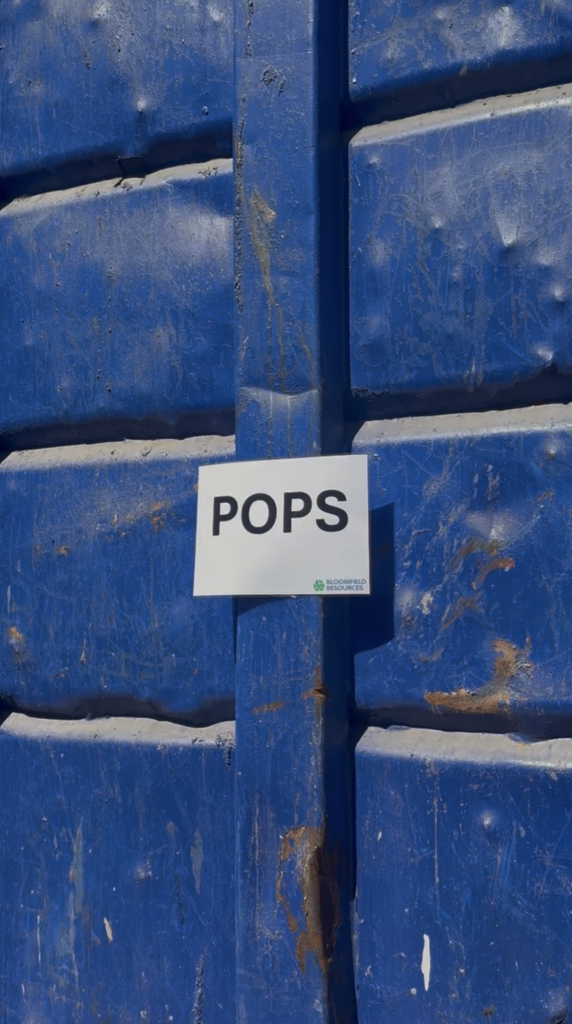
When it comes to getting rid of waste, it’s easy to assume everything can be treated the same. However, some everyday items require a bit more care, and that’s where POPs waste comes in.
POPs (Persistent Organic Pollutants) have become a bigger focus in recent years, and understanding what they are helps make sure waste is handled safely and responsibly.
POPs waste includes certain items that may contain harmful chemicals, often found in everyday furniture such as:
These are items many people dispose of during home clear-outs, renovations, or site work, but depending on when they were made, they may need to be handled differently.
The key factor with POPs waste is the age of the item.
Older furniture can contain chemicals that are now restricted, which means they require more controlled handling and disposal.
If the age of an item isn’t known, it’s often treated with caution to make sure it’s dealt with safely.
To ensure safety and compliance, POPs waste is:
This helps prevent contamination and ensures waste is managed in a controlled and responsible way.
At Bloomfield Resources, we take care to ensure all waste is managed correctly.
Our team carefully checks incoming waste and makes sure anything that may fall under POPs is handled safely and in line with current regulations.
If you’re unsure about any items, we’re always happy to guide you before booking or disposing of your waste.
If you’re clearing out furniture or disposing of larger items and aren’t sure what to do, it’s always best to ask first.
Our team is here to help you make the right choice and ensure everything is dealt with properly.
POPs waste may not always be obvious, but it’s an important part of responsible waste management.
By understanding what it is and how it’s handled, you can help make sure your waste is dealt with safely, efficiently, and in the right way.

Bloomfield Resources
Follow us

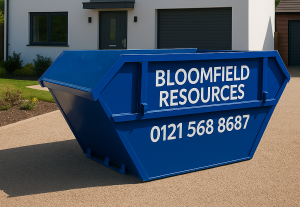
Choosing the wrong size is one of the most common mistakes customers make. This guide covers every skip we offer, with real examples of...
Within its first year of trading, Bloomfield Resources has achieved an exceptional environmental milestone, successfully recovering and recycling 90 percent of all waste generated...
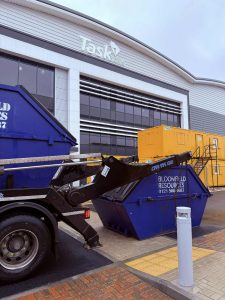
On busy sites, waste builds up quickly, and the last thing you need is a full skip slowing everything down. That’s where skip exchanges...
 Fast, hassle-free booking
No hidden fees
Trusted by homeowners and businesses alike
Fast, hassle-free booking
No hidden fees
Trusted by homeowners and businesses alike


 My Basket

 Book A Skip