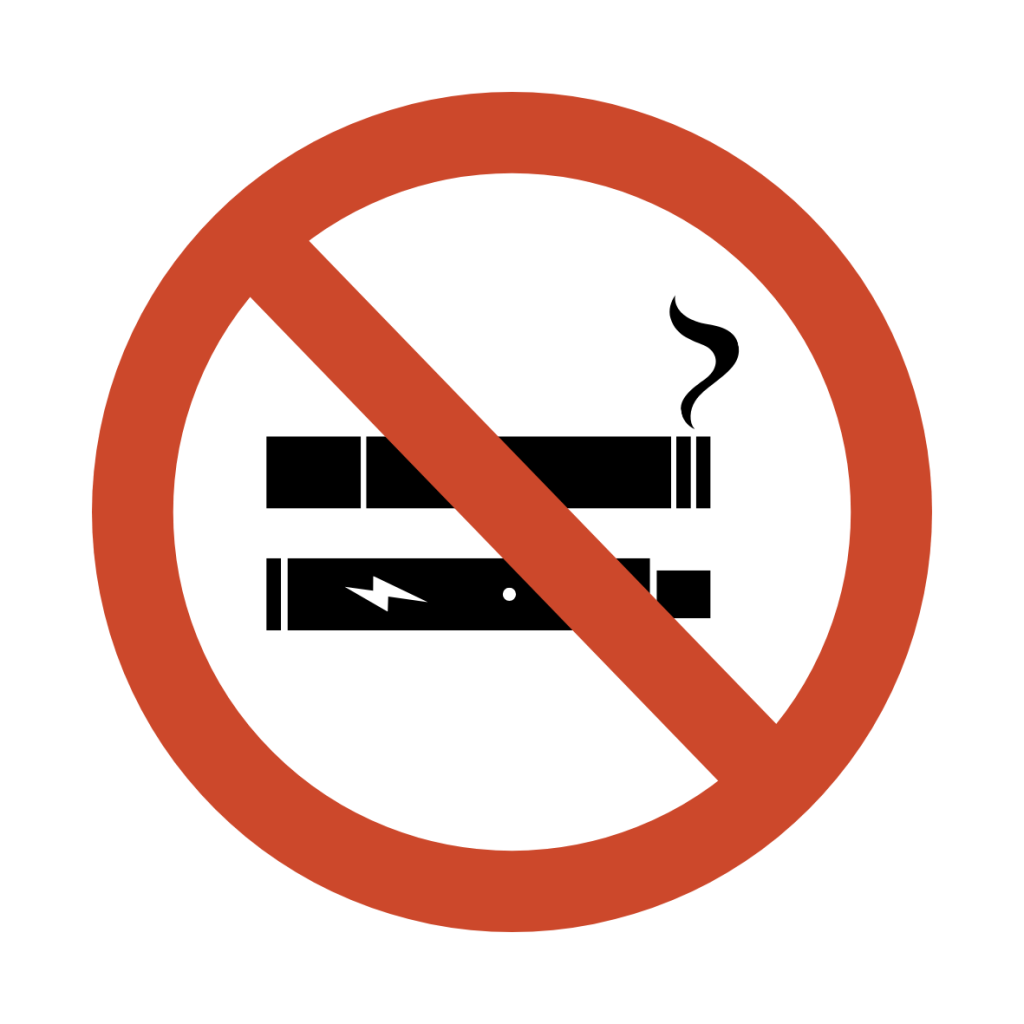
Disposable vapes are increasingly turning up in commercial waste streams, particularly in skip containers. While it may seem harmless to throw a vape in with general waste, doing so creates serious safety and environmental risks.
At Bloomfield Resources, we want to highlight why vapes should never be disposed of incorrectly and how they should be disposed.
Vapes contain hidden hazards
Most disposable vapes contain:
These components make vapes fundamentally unsuitable for skip containers.
Fire Risk in Skips
Lithium-ion batteries are highly reactive. When crushed, punctured, or exposed to heat, all common conditions in containers they can ignite or explode.
This creates a significant fire risk:
Battery related fires are one of the fastest growing hazards in the waste industry.
Lithium-ion batteries are highly reactive. When crushed, punctured, or exposed to heat, all common conditions in containers they can ignite or explode.
This creates a significant fire risk:
Battery related fires are one of the fastest growing hazards in the waste industry.
Compaction Makes the Risk Worse
Unlike loose waste, skips often involve compaction, loading by heavy machinery, or movement during transport. This increases the likelihood of batteries being damaged, dramatically raising the chance of ignition.
Once a fire starts inside a container it can spread rapidly and be extremely difficult to control.
Environmental Consequences
When vapes are crushed or broken in skips, battery chemicals and leftover e liquids can leak into the surrounding waste.
This contamination:
Incorrect disposal undermines recycling efforts and contributes to long term environmental damage.
Legal and Compliance Risks
Placing vapes in general waste skips may also breach waste regulations, particularly where hazardous waste or battery disposal rules apply. This can result in:
Correct segregation protests both safety and compliance.
The Correct Way to Dispose of Vapes
Vapes should never be placed in general waste or recycling bins. Because they contain batteries and electronic components, they are classified as Waste Electrical and Electronic Equipment (WEEE) and require specialist handling. The correct way to dispose of a vape is to take it to a designated WEEE collection point, where it can be safely processed and recycled.
To find your nearest electrical recycling point for any item with a battery, plug or cable, visit the Recycle Your Electricals website.
Everyone Has a Role to Play
Preventing fires and contamination starts before waste reaches a skip. By keeping vapes out of bins, you help:
Bloomfield Resources Commitment
At Bloomfield Resources, safety and sustainability are at the heart of everything we do. Raising awareness about the dangers of incorrectly discarded vapes is an important step in reducing risk across the waste sector.
Together, we can keep waste sites safer and more responsible.

Bloomfield Resources
Follow us

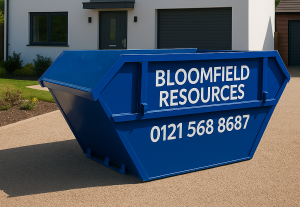
Choosing the wrong size is one of the most common mistakes customers make. This guide covers every skip we offer, with real examples of...
Within its first year of trading, Bloomfield Resources has achieved an exceptional environmental milestone, successfully recovering and recycling 90 percent of all waste generated...
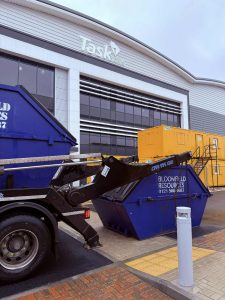
On busy sites, waste builds up quickly, and the last thing you need is a full skip slowing everything down. That’s where skip exchanges...
 Fast, hassle-free booking
No hidden fees
Trusted by homeowners and businesses alike
Fast, hassle-free booking
No hidden fees
Trusted by homeowners and businesses alike


 My Basket

 Book A Skip